Barnet Council garden waste rules for Golders Green gardeners
If you garden in Golders Green, garden waste can feel simple right up until it isn't. One week you've got a few hedge trimmings and lawn cuttings; the next, there's a bin full of damp clippings, a pile of prunings, and a neighbour politely asking whether that bag on the pavement is yours. This guide explains the Barnet Council garden waste rules for Golders Green gardeners in plain English, with practical advice on sorting, storing, and disposing of green waste without creating avoidable headaches.
Whether you maintain a small front garden, a busy family back garden, or a larger planted space that needs regular hedge and shrub work, understanding the rules helps you stay tidy, avoid contamination, and make better decisions about collection versus private clearance. And yes, it can save you time. Sometimes quite a bit of it.
For readers who want a local professional to handle the mess after pruning or hedge work, it can also help to understand how responsible clearance, recycling, and waste handling fit into the wider picture. You can learn more about our recycling and sustainability approach and the wider garden maintenance services we provide in Golders Green.
Table of Contents
- Why Barnet Council garden waste rules matter
- How the garden waste system works in practice
- Key benefits and practical advantages
- Who this is for and when it makes sense
- Step-by-step guidance
- Expert tips for better results
- Common mistakes to avoid
- Tools, resources and recommendations
- Law, compliance, standards and best practice
- Options, methods, or comparison table
- Case study or real-world example
- Practical checklist
- Conclusion
- Frequently asked questions
Why Barnet Council garden waste rules for Golders Green gardeners Matters
Garden waste rules are one of those everyday things that can seem minor until they go wrong. In Golders Green, where many homes have compact gardens, shared access, side returns, and limited storage space, the difference between tidy green waste and a messy disposal problem can be very small indeed.
Getting the basics right matters for three reasons. First, it keeps your garden manageable. Fresh clippings and prunings can get heavy and bulky fast, especially after a hedge trim. Second, it helps avoid contamination. A few mixed items such as soil, plastic ties, plant pots, or food waste can make a load harder to recycle. Third, it helps you plan work properly. If you know what garden waste you will end up with, you can decide whether to compost, use council collection routes where available, or book a professional clearance alongside the job.
There is also a local practicality to this. Golders Green properties often sit close together, so bags left out too early or left open can attract complaints. Nobody enjoys that awkward moment when a neighbour sees a heap of cuttings squeezed beside a pavement. Not a disaster, but avoidable.
Expert summary: The smartest way to handle garden waste is not just disposal. It is planning. Separate green waste at source, keep it clean, and choose the method that suits the size and pace of your garden work.
How Barnet Council garden waste rules for Golders Green gardeners Works
At a practical level, garden waste rules are about what counts as green waste, how it should be presented, and how it should be separated from other household or garden materials. Councils typically treat grass cuttings, hedge trimmings, leaves, plant cuttings, small branches, and weeds as garden waste. More awkward items like soil, rubble, large amounts of turf, treated timber, or contaminated plant material may be handled differently. The exact handling can vary, so always check current council guidance before you put anything out.
For Golders Green gardeners, the day-to-day workflow usually looks like this:
- You collect the waste during or after the gardening task.
- You sort out anything that is not clean green waste.
- You decide whether the waste can be home-composted, stored for collection, or needs removal.
- You present it in the required way, if you are using a council service.
That last step sounds obvious, but it is where a lot of people slip up. Overfilled sacks, mixed waste, or bags that are too heavy are common issues. In a terrace or flat with tight access, a small mistake can turn into a bigger handling problem quite quickly.
If you are booking help from a local gardener or hedge trimming specialist, it is worth asking how waste is handled from the outset. Professional operators should be able to explain collection, transfer, and disposal arrangements clearly, along with their own safety and insurance arrangements. If you want a feel for how a responsible local business frames that, take a look at our insurance and safety information and health and safety policy.
What usually counts as garden waste
Most gardens produce the same familiar materials:
- Grass cuttings
- Hedge trimmings
- Leaves
- Weeds
- Flowers and soft plant material
- Small branches and twigs
- Prunings from shrubs and climbers
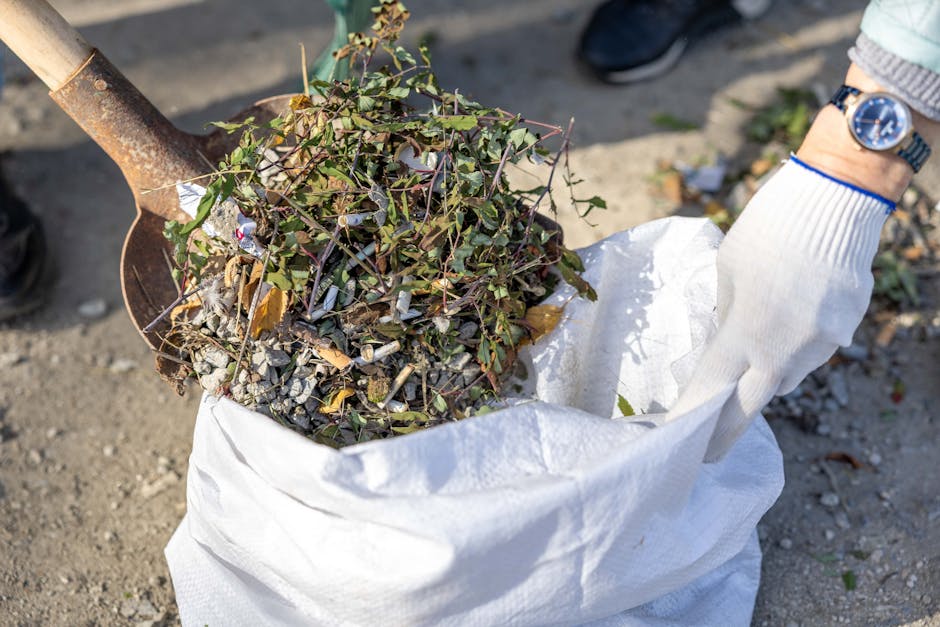
Useful clarification: not every "natural" material belongs in the same pile. A bag of hedge clippings is very different from a bag containing plant pots, twine, old compost sacks, and broken terracotta. The second one is a contamination headache.
What often needs separate handling
- Soil and compost in large quantities
- Rubble, stones, or broken paving
- Pressure-treated timber
- Plastic ties, labels, and pots
- Large or woody tree material
- Garden furniture and general household items
That distinction matters because garden waste systems are generally designed for organic material that can be recycled or composted. When you mix in non-organic material, the whole batch can become less useful. Bit annoying, really, when one small mistake creates extra work for everyone.
Key Benefits and Practical Advantages
Following the garden waste rules properly is not just about avoiding trouble. It has real benefits for everyday gardening and for your property as a whole.
- Cleaner garden presentation: Regular removal stops piles of prunings building up behind sheds, fences, and borders.
- Better recycling outcomes: Clean green waste is more likely to be reused beneficially rather than treated as mixed rubbish.
- Less pest attraction: Damp, rotting plant matter can attract flies and create a generally unpleasant corner of the garden.
- Safer work areas: Clearing waste as you go reduces trip hazards and makes hedge cutting or pruning easier.
- Improved planning: Once you know how much waste a job creates, you can plan the next trim more intelligently.
There is also a quieter benefit: mental space. A neat garden feels easier to use. After a big prune, you can actually see the shape of the beds again, hear the birds properly, and not feel as if the back corner has become a storage site for leaf sacks. That sounds small. It isn't, though.
Who This Is For and When It Makes Sense
These rules matter for a wide range of people in Golders Green. If any of the following sounds familiar, you are in the right place.
- Homeowners who do their own lawn, border, or hedge maintenance
- Landlords and managing agents keeping external spaces presentable
- Busy families who need periodic garden tidy-ups without losing weekends to waste trips
- Elderly residents who want the garden kept safe and manageable without heavy lifting
- Flat owners with shared access where timing and tidiness matter
- People booking a hedge trimming or clearance service and wanting to know what happens to the cuttings afterwards
It makes particular sense to think about garden waste rules before a larger seasonal job. A spring tidy, late summer hedge trim, or autumn leaf clear-out can produce much more waste than expected. Truth be told, a modest-looking yew hedge can fill more bags than you'd think once it's been cut back properly.
If you are comparing whether to manage waste yourself or bring in help, the decision often comes down to volume, access, and time. For straightforward jobs, DIY may be fine. For larger or recurring jobs, a professional service with sensible collection and disposal practices can be far easier.
Step-by-Step Guidance
Here is a practical way to approach garden waste in Golders Green without overcomplicating it.
1. Separate garden waste as you work
Keep a clear pile or container for green waste from the start. It is much easier than sorting through a mixed heap later. If you are trimming hedges, use one area for woody branches and another for softer clippings.
2. Remove non-garden material immediately
Pick out plant pots, broken ties, string, bits of plastic, labels, and stones straight away. It takes seconds now and saves aggravation later. You do not want to be rummaging through wet cuttings at dusk. Nobody does.
3. Reduce volume where possible
Chop long branches into manageable lengths and allow bulky cuttings to settle before bagging. Letting fresh material dry a little can reduce weight and make handling easier. Not always necessary, but often helpful.
4. Decide whether to compost, store, or remove
Smaller amounts of leaves and soft cuttings can often be composted at home if you have the space. Larger quantities may be better stored neatly for collection or removed after a service visit. The right choice depends on how quickly waste accumulates and how much space you have.
5. Follow any presentation requirements carefully
If using a council collection route, make sure the waste is presented exactly as required by the current rules. That may include the right container, weight, or collection day. If you are using a professional service, ask how they separate and transfer waste. Clear communication avoids confusion.
6. Keep a record for repeat jobs
If you manage regular garden maintenance, note how much waste each season produces. After two or three visits, you will have a much better feel for what to expect. That helps with planning and pricing. It's one of those small habits that pays off quietly.
Expert Tips for Better Results
Here are the practical bits that tend to make the biggest difference. They are simple, but they work.
- Trim in stages for larger hedges. You will produce more controlled waste and avoid a giant pile at the end.
- Use breathable bags where suitable. Fresh cuttings can get heavy and unpleasant if sealed too tightly too soon.
- Keep wet leaves separate from woody waste. Dry material is easier to handle and often easier to recycle.
- Plan the collection route before you start. A narrow side path or shared access gate can become a bottleneck.
- Ask about disposal before work begins. Especially if you are hiring help. It is better to know now than wonder later where the cuttings went.
- Keep a tidy temporary storage spot. A shaded corner, a hardstanding area, or a covered bin bay can be ideal.
One useful habit: do a quick "final walk" after the job. Scan for stray twine, leaf scatter, and missed branches. In the morning light, a few scraps show up that you missed the night before. Happens all the time.
If you are dealing with more than a light tidy, it may also be worth comparing broader service options. Our pricing and quotes page can help you understand how larger gardening jobs are typically scoped, while our recycling and sustainability approach explains how we think about responsible waste handling.
Common Mistakes to Avoid
The most common mistakes are usually practical rather than dramatic. But they can still create unnecessary friction.
- Mixing garden waste with general rubbish and expecting it to be treated the same way
- Overfilling bags until they split or become too heavy to move safely
- Leaving waste out too early on a busy street or shared frontage
- Including soil, rubble, or pots in a load meant for green waste
- Forgetting about access and blocking paths, gates, or bin stores
- Assuming all councils treat garden waste the same way without checking current local rules
A smaller but surprisingly common mistake is trimming first and asking questions later. If you know you have a large hedge cut coming up, check the waste plan before you start. That simple step can prevent a miserable pile-up by tea time.
Tools, Resources and Recommendations
You do not need fancy equipment to handle garden waste well. A few reliable basics go a long way.
Useful tools for Golders Green gardens
- Sturdy garden waste bags or reusable containers
- Gloves with a good grip
- Secateurs for tidying small cuttings
- Loppers for thicker stems
- A tarp or sheet for collecting waste from borders and lawns
- A rake for leaves and light debris
- Wheelbarrow or garden trolley if access allows
Practical recommendations
If you are doing the work yourself, keep one container just for contamination items like plastic ties and broken labels. That way they do not end up in the green pile by accident. If the garden is small, a tarp can be more useful than a dozen bags because you can drag material to a central point and load it efficiently.
For larger or repeated jobs, ask about service scope before booking. A good provider should be clear about waste collection, site tidying, and any exclusions. You can also review our about us information if you want a better sense of how we work locally and the standards we keep.
Useful support pages
If you want to check policies before arranging work, these pages can help: terms and conditions, privacy policy, and payment and security information. If something ever goes wrong or you have feedback about a job, our complaints procedure explains the next steps in a straightforward way.
Law, Compliance, Standards, or Best Practice
Garden waste handling sits at the intersection of household responsibility, local council rules, and good environmental practice. While you do not need to be a legal expert to manage it properly, a bit of care goes a long way.
The safest approach is to treat garden waste as a separate stream from normal household rubbish and to follow the current Barnet Council instructions for collection, presentation, and accepted materials. Do not assume last year's arrangement still applies. Councils do update processes from time to time, and small details matter.
From a best-practice perspective, the key standards are simple:
- Keep green waste clean and separate
- Handle heavy or sharp material safely
- Do not block access routes or shared spaces
- Use appropriate bags or containers
- Check local collection rules before presenting waste
- Use insured, safety-conscious contractors where work is being done on your property
For professional garden work, safety and insurance are worth paying attention to, not because they are exciting, but because they matter when something unexpected happens. A dropped tool, a strained back, a cracked paving slab, these things are boring right up until they are not. If you are hiring help, it is reasonable to ask how waste is managed and how the work is insured.
Options, Methods, or Comparison Table
Golders Green gardeners usually have a few realistic ways to deal with waste. The best choice depends on volume, time, access, and how tidy you want the process to be.
| Method | Best for | Advantages | Trade-offs |
|---|---|---|---|
| Home composting | Leaves, soft cuttings, small regular waste | Low cost, eco-friendly, convenient for light volumes | Needs space and patience; not suitable for everything |
| Council collection route | Households following local collection rules | Structured, predictable, suitable for regular disposal | Must follow presentation and accepted-material rules carefully |
| Private garden waste clearance | Large hedge cuts, one-off clearances, busy households | Saves time, handles larger volumes, cleaner finish | Costs more than DIY; service quality varies |
| Self-haul to a disposal point | People with access to transport and time | Direct control, useful for bulky loads | Heavy lifting, travel time, awkward loading |
For many local households, the most efficient solution is a mix of methods. Compost what you can. Use council routes where practical. Bring in professional clearance for the jobs that would otherwise dominate your weekend. That is usually the sweet spot.
Case Study or Real-World Example
A typical Golders Green scenario goes like this. A homeowner trims a mixed hedge along the side return and tidies a small back lawn on a Saturday morning. At first it looks manageable. A few bags, perhaps. Then the cuttings settle, the woody stems pile up, and the leaves from underneath the hedge appear from nowhere, as if they've been waiting their turn.
Rather than stuffing everything into random sacks, the homeowner separates soft green waste from thicker branches, removes a handful of old plastic ties from the hedge, and keeps the collection area close to the back gate. The waste is then moved in stages rather than all at once. Small change, big difference.
What made the job easier was not brute force. It was order. The end result was neater, the access path stayed clear, and the waste was easier to deal with afterwards. Honestly, that's the pattern we see most often. Good results come from a bit of planning and a bit of discipline, not heroics.
If the same job had included a large amount of overgrown hedge material, the smarter move would likely have been to book help for both the trim and the clearance. You can explore that kind of support through our garden services overview and, if you want to take the conversation further, contact us here.
Practical Checklist
Use this before, during, or after any garden tidy-up in Golders Green.
- Check the latest Barnet Council guidance before presenting waste
- Separate green waste from general rubbish
- Remove plastic ties, pots, labels, and rubble
- Keep wet cuttings and woody material apart where useful
- Use strong containers or bags that can be lifted safely
- Do not block shared paths, gates, or entrances
- Plan where waste will sit before you begin work
- Arrange collection or disposal for bulky jobs in advance
- Ask contractors how they handle waste and safety
- Do a final sweep for stray cuttings and contamination items
Quick takeaway: the cleanest garden waste is the waste you sort early, store neatly, and move on at the right time. Simple, really. But effective.
Get a free quote today and see how much you can save.
Conclusion
For Golders Green gardeners, understanding Barnet Council garden waste rules is less about memorising every detail and more about building a clean, practical habit. Separate your waste properly, keep an eye on access and presentation, and choose the disposal method that fits the size of the job. That approach keeps your garden tidier, reduces stress, and helps avoid the kind of small problems that become annoying later.
If you are working on a larger hedge cut, a seasonal clearance, or a garden that just never seems to stay under control for long, a thoughtful plan for waste handling can make the entire job feel lighter. And that matters. A neat garden is easier to enjoy, easier to maintain, and, frankly, nicer to walk into on a quiet evening when the light is soft and everything smells a bit greener than it did an hour ago.
Do the simple things well, and the rest tends to fall into place.
Frequently Asked Questions
What counts as garden waste in Barnet?
In general, garden waste includes grass cuttings, hedge trimmings, leaves, weeds, flowers, small branches, and other plant material. Items like soil, rubble, pots, and plastic ties usually need different handling.
Can I put hedge trimmings in my normal rubbish bin?
That depends on local collection rules and the amount involved, but garden waste is normally treated separately from general household rubbish. It is best to check current Barnet Council guidance before putting it out.
What should Golders Green gardeners do with large amounts of waste after pruning?
For larger volumes, it often makes sense to use a dedicated garden waste collection route or arrange a professional clearance. Large hedge cuts and branchy material can quickly become awkward to manage yourself.
Can I compost garden waste at home instead?
Yes, many gardeners compost leaves and soft plant cuttings at home if they have space. Composting is a sensible option for smaller, regular waste, but it will not suit every material or every garden.
Are soil and turf treated the same as green waste?
Not always. Soil, turf, and heavy spoil may be handled differently from standard green waste. Because loads can vary, it is wise to confirm what is accepted before mixing materials together.
Do I need to separate branches from leaves and clippings?
You do not always need a perfect separation, but it often helps to keep woody material apart from soft clippings. It makes lifting, storage, and disposal easier, especially after bigger jobs.
What happens if I mix plastic or rubble with garden waste?
Mixed contamination can make the load harder to recycle or dispose of correctly. In some cases, it can mean extra sorting or refusal of the waste, which is avoidable with a bit of care.
How can I tell whether I should hire help or do it myself?
Think about volume, access, and time. If you have a small amount of waste and a straightforward garden, DIY may be fine. If the job is larger, messier, or time-sensitive, hiring help can be the calmer choice.
Is it worth asking a gardener how they handle waste?
Absolutely. A responsible provider should be able to explain how waste is collected, stored, and disposed of. It is a sensible question, not a fussy one.
What is the biggest mistake people make with garden waste?
The most common mistake is mixing garden waste with non-garden material and then overfilling bags. Those two things cause more hassle than most people expect.
Can regular hedge trimming reduce waste problems over time?
Yes. Light, regular trimming usually produces more manageable waste than allowing hedges to become heavily overgrown. It also makes clearance easier and the garden easier to keep in shape.
Where can I learn more about professional garden services in Golders Green?
You can explore the range of local help available through our services overview and read more about how we approach responsible disposal on our recycling and sustainability page.