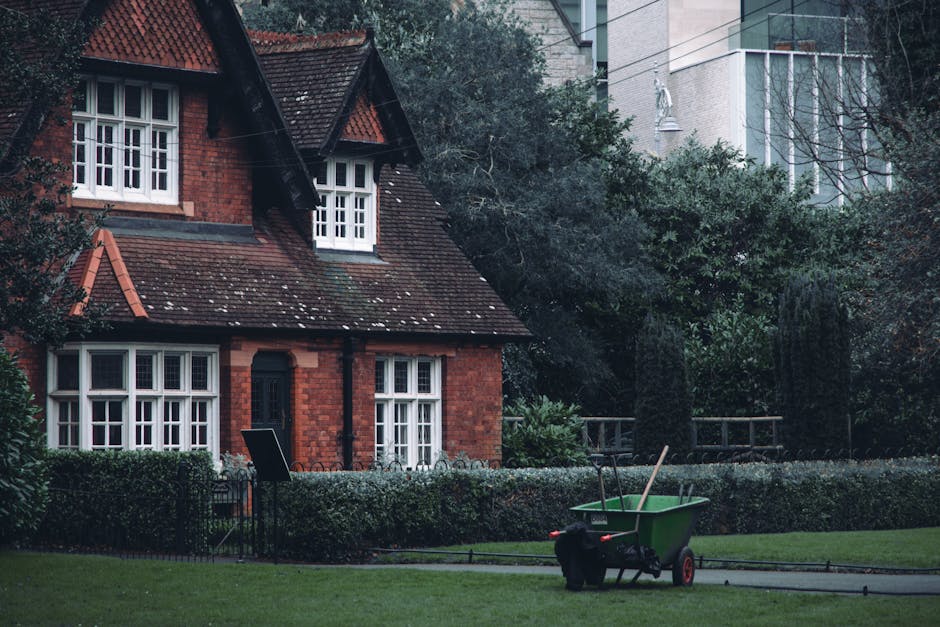
Hendon Lane front garden care for Golders Green homes: a practical local guide
If you live near Hendon Lane, you already know the front garden has a funny amount of influence. It is the first thing you see when you come home, the first thing neighbours notice, and often the part that quietly sets the tone for the whole property. Good Hendon Lane front garden care for Golders Green homes is not just about neat edges and a quick sweep. It is about making the space feel cared for, welcoming, and easy to maintain through the year.
In a busy London pocket like Golders Green, front gardens often have to do a lot with very little space. Some are compact and paved, some are narrow with mature planting, and some get a mix of shade, road dust, foot traffic, and the occasional stubborn weed that appears as if by magic. The good news? With the right approach, even a small front garden can look sharp without becoming a weekly burden. This guide walks through what matters, how it works, what to avoid, and how to keep the front of your home looking considered rather than constantly "nearly done".
Along the way, we will also look at sensible maintenance routines, compliance and safety considerations, and a few practical choices that help you decide whether to tackle things yourself or bring in help. No fluff. Just grounded, useful advice.
Table of Contents
- Why Hendon Lane front garden care for Golders Green homes Matters
- How Hendon Lane front garden care for Golders Green homes Works
- Key Benefits and Practical Advantages
- Who This Is For and When It Makes Sense
- Step-by-Step Guidance
- Expert Tips for Better Results
- Common Mistakes to Avoid
- Tools, Resources and Recommendations
- Law, Compliance, Standards, or Best Practice
- Options, Methods, or Comparison Table
- Case Study or Real-World Example
- Practical Checklist
- Conclusion
- Frequently Asked Questions
Why Hendon Lane front garden care for Golders Green homes Matters
Front garden care matters because the front of your home is doing more work than most people realise. It frames the property, influences how tidy the place feels, and can change how the whole street reads visually. On Hendon Lane and nearby Golders Green roads, where homes often sit close together, small details stand out. A trimmed hedge, clear path, healthy planting, and a swept boundary can make a home look looked after even before anyone steps inside.
There is also a practical side. Front gardens often collect more debris than rear gardens because they are exposed to the road. Leaves, litter, road grit, moss, pollen, and the everyday mess of London weather all build up fast. A light, regular maintenance plan prevents the space from slipping into that awkward stage where everything looks a bit tired and you are suddenly facing a bigger job than expected.
Truth be told, front gardens are often underestimated because they are small. That is exactly why they need a sensible system. Small spaces show neglect quickly, but they also respond well to consistent care. A little structure goes a long way.
There is another angle too: property presentation. Whether you are staying put or thinking ahead, a tidy front garden can improve first impressions for visitors, buyers, tenants, delivery drivers, and frankly, yourself. You feel it when you pull up outside. The whole place breathes a bit easier.
How Hendon Lane front garden care for Golders Green homes Works
Front garden care is usually a mix of routine maintenance, seasonal tidying, and small improvements that keep the space healthy and manageable. The exact work depends on the layout, but most good front garden routines in Golders Green follow the same logic: clear it, tidy it, maintain it, and protect it.
In practice, that means keeping on top of:
- hedge trimming and boundary shaping
- lawn mowing or grass edge control
- weed removal and soil surface tidying
- leaf clearance and debris collection
- plant pruning and deadheading
- path, step, and frontage sweep-downs
- occasional garden clearance if things have run away from you a bit
If the garden has structural elements such as raised beds, paving, or small trees, then the work can expand into light landscaping or targeted maintenance. For some homes, a simple monthly refresh is enough. For others, especially properties with mature hedging or mixed planting, regular visits make a far bigger difference than one-off tidy-ups.
It also helps to think in layers. First comes the obvious visual stuff: cut, sweep, remove. Then comes the less visible but equally important part: keeping the garden healthy, avoiding overgrowth, and making sure drainage, access, and sightlines are not compromised. That second layer is where good care starts to feel smart rather than merely tidy.
Many homeowners also link front garden work with broader upkeep across the property. If the whole outside area needs attention, it can make sense to combine this with garden maintenance, or even a fuller services overview when planning a regular schedule. That way, the front garden is not treated as a separate little island that keeps getting missed.
Key Benefits and Practical Advantages
The obvious benefit is appearance, but there is a bit more to it than that. Front garden care brings practical value in a few different ways, and most homeowners notice the difference sooner than they expect.
1. Better curb appeal. This one is clear enough. A sharp front garden can make a home look cleaner, more inviting, and better cared for overall. Even modest improvements, like crisp edges or removed weeds, can change the feel of the frontage dramatically.
2. Less long-term work. Regular upkeep usually beats periodic rescue jobs. Once weeds establish themselves in paving, or hedges are left to surge unchecked, the job becomes bigger, messier, and less satisfying. Small, steady attention is easier on the body and the budget.
3. Safer access. Clear paths, controlled growth, and tidy surfaces reduce trip hazards and improve access for residents, visitors, and service providers. This matters more than people sometimes admit. Wet leaves on a shaded path are no joke on a grey London morning.
4. Healthier planting. Pruning at the right time, avoiding smothering weeds, and keeping beds clean helps plants perform better. They get light, space, and air circulation rather than fighting for survival in a cluttered border.
5. More usable space. A neat front garden can feel larger. That is especially useful in Golders Green, where frontage space may be limited. Clear zoning, modest planting, and tidy boundaries make a compact area feel deliberate instead of cramped.
6. Less stress. This sounds small, but it matters. A front garden that is constantly "on your list" creates low-level guilt. Once it is under control, the property feels calmer. A bit of order at the front really does spill into how you feel about the whole home.
Expert summary: The best front garden care is rarely about dramatic transformation. It is about keeping the space neat, healthy, and easy to maintain so the home always looks quietly ready.
Who This Is For and When It Makes Sense
Front garden care makes sense for a wide range of Golders Green homeowners, landlords, and property managers. Some people need it because their garden is getting overgrown. Others want a tidier, more polished look without spending every weekend outside with a pair of shears. Both reasons are perfectly valid.
This kind of care is especially useful if you:
- have hedges, shrubs, or small trees at the frontage
- struggle to keep up with weeds in paths or beds
- want your home to look better from the street
- have limited time or mobility
- are preparing to rent, sell, or renovate
- manage a property and need reliable external presentation
It also makes sense after a period of neglect, after seasonal leaf fall, or once growth has burst into life in spring. Let's face it, London gardens can swing from tidy to wild in a surprisingly short time if you miss a few weeks.
If your frontage includes larger shrubs, taller hedges, or awkward overgrowth, you may need a combination of maintenance and more focused work such as hedge trimming or, in some cases, tree lopping and removal. If the whole space has become cluttered, a one-off garden clearance can create a clean slate before regular care begins.
Step-by-Step Guidance
If you want a front garden that stays in good shape instead of bouncing between "fine" and "oh dear", a simple process helps. The goal is not perfection. It is control. And honestly, control is usually enough.
1. Walk the frontage and look at it properly
Start from the pavement or street and look at the whole front garden as a visitor would. What stands out first? Overgrown hedge lines? Weeds in cracks? A cluttered porch edge? A patchy lawn? That first impression tells you where the most visible gains will be.
2. Clear the obvious debris
Remove leaves, litter, broken twigs, and any loose garden waste. This is the easiest way to make the space feel fresher fast. If the frontage has been sitting for a while, clearing the visible clutter often reveals the real job underneath.
3. Cut back growth that is softening the shape
Trim hedges, shrubs, and trailing stems that are spilling across paths or blurring the garden boundary. Good shaping matters here. A slightly smaller, well-defined shrub nearly always looks better than a larger one that has gone floppy. That is just how it is.
4. Deal with weeds and unwanted seedlings
Pull, dig out, or treat weeds according to the surface and situation. In paving cracks, roots tend to hold tight, so getting the whole plant out is better than a quick top-off. In beds, removing weed competition gives desirable plants more room to breathe.
5. Refresh the ground layer
Rake mulch, top up loose material if needed, and level disturbed soil. If the area is paved or gravelled, sweep and clean it thoroughly. This is where a front garden can go from "cleaned" to properly finished.
6. Mow or edge the lawn if there is one
Not every front garden has grass, but if yours does, keep the cut consistent and the edging neat. A tidy lawn edge has a disproportionate visual impact. It sounds minor, but the eye notices it immediately.
7. Check sightlines, access, and safety
Make sure paths are clear, bins are not blocking anything, and no branch or shrub is obstructing steps, gates, or visibility. This matters especially where the front garden meets a driveway or pavement.
8. Finish with a final street-level check
Step back again. It is amazing how often a space looks tidy up close but slightly off from the street. A last check helps you spot odd angles, missed corners, and any one annoying branch you somehow ignored twice already.
Expert Tips for Better Results
The best front garden work is usually restrained. People sometimes try to do too much at once, and that can leave the space looking harsh or oddly bare. A steadier approach tends to age better.
Keep the front boundary crisp. The edge of the garden is what people register first. A hedge line, path edge, or fence line that looks even makes the whole space feel composed. If one element is clean, the rest suddenly looks more intentional.
Choose low-fuss planting where possible. In busy households, plants that need constant reshaping become a burden. Mixed evergreens, compact shrubs, and manageable perennials often work better than high-maintenance variety. A front garden should not become a second job.
Work with the light and shade. Many Golders Green front gardens get uneven sunlight. That affects moss, watering needs, and plant choice. Shadier front gardens often need more attention to drainage and less watering-heavy planting; sunnier ones may need sharper pruning and more frequent watering in dry spells.
Seasonal timing matters. Spring growth can run quickly, while autumn can bury everything under leaves in what feels like five minutes. Scheduling light maintenance before the worst of the seasonal rush is often easier than waiting until the whole space has gone soft and untidy.
Use restraint with hard pruning. It is tempting to hack everything back in one go. Sometimes that is needed, sure. But over-pruning can leave shrubs exposed or stressed. A measured cut usually gives a cleaner result and a healthier plant.
Watch the details near the entrance. A doorstep, front gate, or short path becomes a focal point whether you like it or not. Keep these areas especially tidy. They are small, but they carry weight.
If you are comparing service levels or thinking about how regular upkeep is priced, it can help to read more than one perspective. Guides such as Golders Green gardeners real cost guide per hour and Golders Green hedge trimming rates and hidden charges to avoid can help you understand how different jobs may be quoted. And if you want broader context on cost expectations, the article on pricing and quotes is a sensible place to start.
Common Mistakes to Avoid
Most front garden problems are not dramatic. They creep in. One missed week becomes three, then suddenly the border looks tired and the hedge has developed opinions of its own.
Leaving the edges until last. The centre of a garden can look okay while the edges quietly unravel. In reality, edges are what make a frontage feel finished. If you ignore them, the space never quite lands.
Cutting everything to the same height. This is one of those habits that feels tidy but can flatten character. Good front gardens usually benefit from varied heights and controlled structure rather than a single blunt line.
Using the wrong tools for the scale of the job. A small hand tool is great for detail work. It is not great for a dense hedge that needs proper shaping. Likewise, a heavy tool can be overkill for delicate beds. The tool should suit the task, otherwise you end up working harder and getting less.
Ignoring drainage and build-up. If water sits near the front path, or moss keeps returning in the same shaded patch, there is likely a deeper issue. Surface cleaning helps, but it is not always the full answer.
Allowing the frontage to become storage. Bikes, bags of compost, bins, and miscellaneous garden bits can creep outward until the front garden feels more like a holding area. It happens. But a garden that has to function as storage needs even firmer boundaries.
Overplanting for the space. Small front gardens can look lovely, but too many plants turn them into a maintenance headache. You want breathing room. Without it, everything starts competing and the whole area feels fussy.
Forgetting seasonal resets. A front garden often needs a few anchor moments through the year: spring cut-back, summer shaping, autumn clearance, winter safety check. Miss all of them and things add up quickly.
Tools, Resources and Recommendations
You do not need a shed full of specialist kit to keep a front garden in good order. A modest, reliable set of tools is often better than a pile of gadgets you never quite reach for.
| Task | Useful approach | What to watch for |
|---|---|---|
| Hedge shaping | Manual shears or a suitable trimmer for the hedge type | Avoid cutting too hard into old wood unless you know the plant tolerates it |
| Weed removal | Hand weeding, weeding knife, or targeted treatment where appropriate | Get roots out where possible, especially in paving cracks |
| Leaf clearance | Rake, blower, or collection bags depending on the surface | Do not leave wet leaves on paths; they become slippery fast |
| Lawn care | Regular mowing and edge trimming | Keep blades sharp and avoid cutting too short |
| General tidy-up | Gloves, bags, broom, pruning secateurs | Work carefully around thorny or overgrown material |
If you are trying to improve the look of the frontage without starting from scratch, consider pairing maintenance with small design changes. Low, tidy planting, a refreshed mulch layer, or clearer path edges can make a bigger difference than you might expect. For more substantial reshaping, landscape gardening or broader landscaping may be worth exploring.
And if the aim is simply to keep things tidy from week to week, a routine service structure is usually the easiest route. People often start with a one-off cleanup and then move into lighter, regular upkeep once they can actually see the garden again. Sensible, really.
Law, Compliance, Standards, or Best Practice
Most front garden care is straightforward, but there are a few practical standards and neighbour-aware habits worth keeping in mind in a place like Golders Green. You do not need a law degree to manage a front garden well, but a bit of care around safety and responsibility goes a long way.
Boundary awareness matters. Before cutting back hedges or trees, know where your property ends and where the neighbouring boundary begins. Overstepping can cause needless tension. A quick check now is better than an awkward conversation later.
Keep paths and access safe. If your front garden includes a shared path, steps, or gate access, keep these areas free from trip hazards. In wet weather, moss and loose debris can become slippery. Simple, obvious stuff, but easy to overlook.
Dispose of waste properly. Garden cuttings, soil, and green waste should be handled in line with local waste expectations. Many homeowners prefer a service that includes responsible removal and recycling, especially when the job is more than a light tidy.
Use tools responsibly. Garden machinery can be noisy and potentially hazardous. Good practice includes eye protection where needed, sensible working times, and careful handling of sharp tools. If a job feels awkward or risky, that is a decent sign to slow down.
Check insurance and safety standards if hiring help. If you are bringing in a contractor, it is reasonable to ask about insurance, working practices, and how waste is managed. A professional outfit should be able to explain this clearly. If they cannot, that tells you something too.
For a closer look at working standards and responsible operations, it can be helpful to review insurance and safety, the health and safety policy, and the recycling and sustainability approach. None of that is flashy, but it is exactly the sort of detail that separates careful work from casual work.
Options, Methods, or Comparison Table
There is more than one way to manage a front garden, and the best choice depends on time, layout, and how much change you want to see. Some homes only need a light tidy. Others need a reset before routine care can work properly. Here is a simple comparison.
| Method | Best for | Pros | Limits |
|---|---|---|---|
| DIY weekly tidy-up | Small, simple front gardens | Low cost, flexible, easy to keep on top of | Can become inconsistent; may miss deeper issues |
| Monthly professional maintenance | Busy homeowners and landlords | Reliable presentation, less effort, steady results | Less hands-on control over timing |
| One-off clearance then maintenance | Overgrown or neglected fronts | Fast reset, clearer starting point | Needs follow-up or the garden slips again |
| Combined garden and landscaping support | Frontages needing reshaping or practical improvements | Can improve both appearance and usability | Usually involves more planning and a bigger scope |
If the front garden has become heavy with growth or clutter, a clearance-first approach is often the easiest route. If it is already basically under control, routine maintenance is usually enough. The trick is being honest about what you are starting with. A lot of frustration comes from pretending a reset is not needed when, really, it is.
Case Study or Real-World Example
Here is a common Golders Green scenario. A homeowner on or near Hendon Lane has a small front garden with a hedge, a narrow planting strip, and a short path to the door. For months, the work has been limited to the odd sweep. Then spring growth arrives, the hedge softens at the edges, weeds appear in the paving, and the front starts to look busier than the home itself.
The fix is not complicated, but it does need a proper order. First, the debris is cleared. Then the hedge is shaped back into a clean line. After that, the weeds are removed from the path and the border is edged properly. A little pruning lifts the planting so it feels intentional again. Finally, the whole frontage is checked from the street, because that is the view that matters most.
The result is rarely dramatic in the "before-and-after TV makeover" sense. More often it is quieter than that. The house starts to look calmer. The entrance feels wider. The path feels safer. And the owner stops apologising for the garden every time someone rings the bell. Small win? Maybe. But it is a real one.
That kind of outcome is why front garden care is worth planning properly. A front space does not need to be big to have an effect. It just needs attention in the right places, consistently.
Practical Checklist
Use this checklist to keep Hendon Lane front garden care for Golders Green homes simple and manageable.
- Walk the front garden from the street and note what stands out first
- Remove leaves, litter, twigs, and loose debris
- Trim hedges, shrubs, and overhanging growth
- Weed paving, borders, and edge joints
- Check paths, steps, and entrances for trip hazards
- Mow and edge the lawn if there is one
- Refresh mulch or tidy soil where needed
- Prune dead, damaged, or crossing stems
- Make sure bins, bikes, and stored items are not overwhelming the frontage
- Do a final street-level inspection
- Set a repeat date for the next maintenance pass
Quick reminder: if a job feels too large to do properly in one session, split it. Half-finished work that becomes a pattern is usually what makes front gardens slip. Better to do less and finish well than to do everything and miss the point.
Conclusion
Hendon Lane front garden care for Golders Green homes is really about consistency, judgement, and a bit of neighbourly pride. Keep the frontage clear, shape the growth, stay on top of weeds, and give the space a proper look from the street now and then. That alone will solve more problems than most people expect.
Whether you want a one-off tidy-up, a regular maintenance rhythm, or a fuller refresh, the right approach is the one that fits the house, the season, and the time you actually have. Not the idealised version of you with a free Saturday and endless energy. The real one. That is the one that counts.
If you are comparing options for front garden upkeep, it is sensible to start with the smallest change that will make the biggest difference, then build from there. A clean edge, a trimmed hedge, a cleared path. These things add up quietly, and they make home feel more like home.
Get a free quote today and see how much you can save.
And if you do nothing else this week, take five minutes to stand at the pavement and look at the front of your home properly. It will tell you what it needs. Usually, it is more obvious than we think.
Frequently Asked Questions
What does Hendon Lane front garden care for Golders Green homes usually include?
It usually includes hedge trimming, weed control, leaf clearance, lawn edging, pruning, and general tidying of the frontage. For more neglected spaces, it may also include a full clearance before regular maintenance starts.
How often should a front garden be maintained?
For most homes, a light weekly or fortnightly tidy combined with a more thorough seasonal maintenance visit works well. Busy roadsides and fast-growing planting may need more frequent attention, especially in spring and early summer.
Is a front garden really worth maintaining if it is very small?
Yes. Small front gardens show neglect quickly, but they also respond quickly to care. Even a compact frontage can make a strong first impression if it is neat, accessible, and clearly looked after.
What is the difference between garden maintenance and garden clearance?
Maintenance is ongoing care to keep the space tidy and healthy. Clearance is a bigger reset, usually used when the garden has become overgrown, cluttered, or hard to manage. Many people need both at different stages.
Can front garden work improve property presentation?
Definitely. A tidy frontage helps the property look cared for and welcoming. You do not need elaborate planting for that. Often, clean lines and good upkeep do the heavy lifting.
What should I do if the hedge or shrubs have grown too large?
Start by assessing whether a careful trim is enough or whether the plants need more significant reshaping. If growth has become awkward or blocks access, professional hedge trimming or pruning may be the better option.
Do I need special permission to carry out front garden care?
Most routine front garden maintenance does not require permission, but you should always be mindful of boundaries, shared access, and any protected trees or local planning considerations. If something feels unusual, check before cutting hard.
How do I stop weeds coming back so quickly?
Remove them fully where possible, keep surfaces swept, and maintain a regular routine so seedlings do not get established. A tidy surface and consistent attention usually beat occasional heavy weeding every time.
What if I do not have time to maintain the front garden myself?
That is one of the most common reasons people seek help. A regular service can keep the space presentable without putting the job on your weekend list. Honestly, that alone can be worth it.
Are there safety concerns with front garden maintenance?
Yes, mainly around sharp tools, slippery paths, overreaching on ladders, and hidden debris. If a hedge is tall or a tree is large, the safest approach is to avoid rushing and use the right equipment or support.
Should I choose a one-off tidy or ongoing maintenance?
If the front garden is already under control, ongoing maintenance is often enough. If it has been neglected or is overgrown, a one-off tidy or clearance first can reset the space before maintenance takes over.
How do I know if my front garden needs a full redesign?
If you are constantly fighting the same problems, such as poor drainage, awkward planting, or a layout that never feels workable, a redesign may be worth considering. If the issue is mostly clutter and overgrowth, simpler maintenance may solve it.